


Starting your journey into DIY electronics? Whether you’re building an Arduino project, repairing gadgets, or learning to solder for the first time, the right soldering iron makes a huge difference. In this 2025 beginner’s guide, we’ll break down the best soldering irons for beginners based on performance, price, ease of use, and what’s available now on Amazon US. Let’s help you pick the perfect tool to spark your maker journey. Check out more beginner-friendly tech projects on our main page and start building smarter today.
What to Look for in a Beginner Soldering Iron
- Fast heat-up time – You don’t want to wait forever. Look for irons that heat up in under 60 seconds.
- Stable temperature – Consistent heat is key to clean solder joints.
- Comfortable grip – Especially for longer sessions, ergonomic handles matter.
- Interchangeable tips – Let you adapt to different soldering tasks as you progress.
- Temperature control – Ideal for both beginners and intermediate users.
Best Soldering Irons for Beginners in 2025
1. Pinecil V2 Smart Portable Soldering Iron 🔥
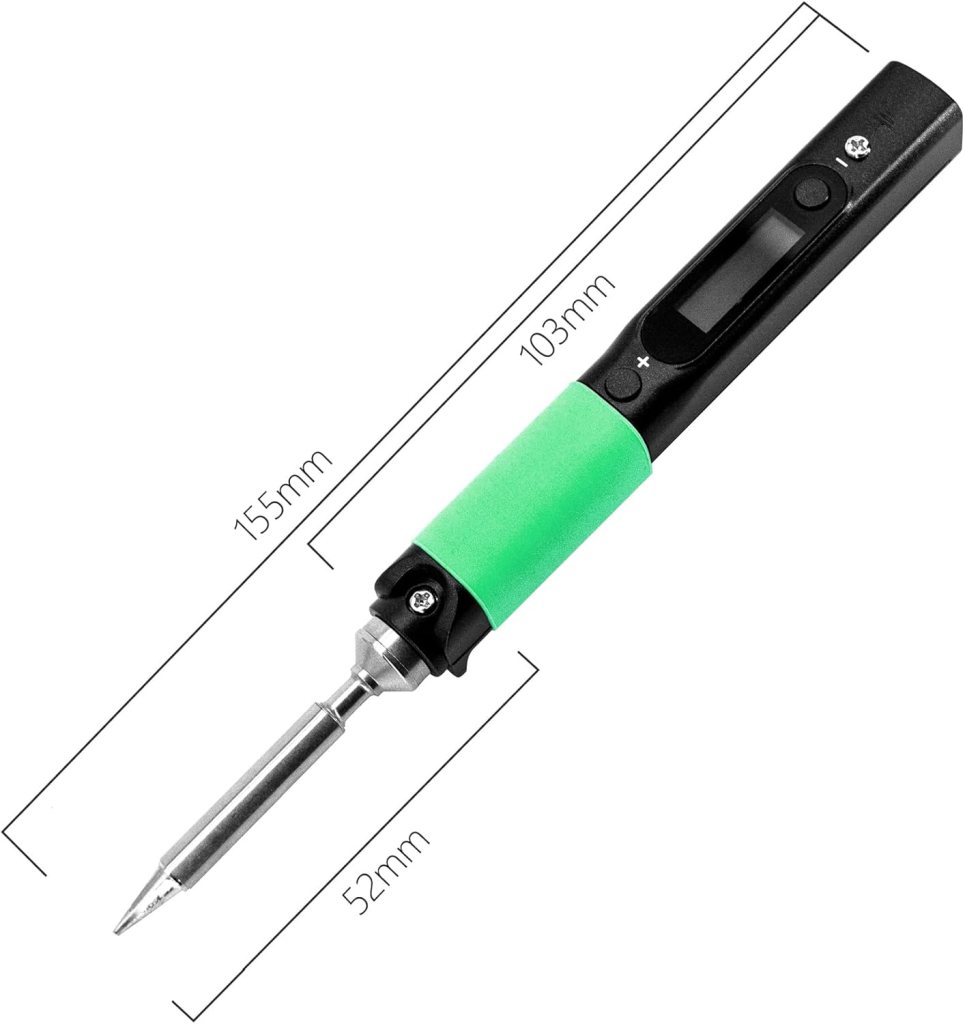
The Pinecil V2 is a compact USB-C powered soldering iron that punches way above its weight. It heats up in under 10 seconds, supports open-source firmware, and even works off a power bank. For $30–$40, it’s unbeatable for portability and precision. Great for first-time makers who want performance without breaking the bank.
✅ Pros: Fast heat-up, portable, firmware upgradable, USB-C powered
❌ Cons: Requires USB PD power supply for full performance
Price: ~$39.99
2. Hakko FX-888D Digital Soldering Station 🧠

If you want a station that will last for years, the Hakko FX-888D is a pro-level tool that’s also beginner-friendly. It offers precise digital temperature control and legendary Hakko reliability. Ideal if you plan to solder often or want the best experience from day one.
✅ Pros: Stable temps, long-lasting tips, fast recovery time
❌ Cons: Higher price point ($100+)
3. Weller WLC100 Analog Soldering Station 🛠️

Weller is a trusted brand in soldering, and the WLC100 provides excellent value. This analog station has adjustable power from 5 to 40 watts, making it suitable for various electronics projects. It’s a reliable pick for those who want quality without spending too much.
✅ Pros: Adjustable power, solid build, affordable
❌ Cons: Analog dial less precise than digital models
4. Tabiger 60W Soldering Iron Kit 💸
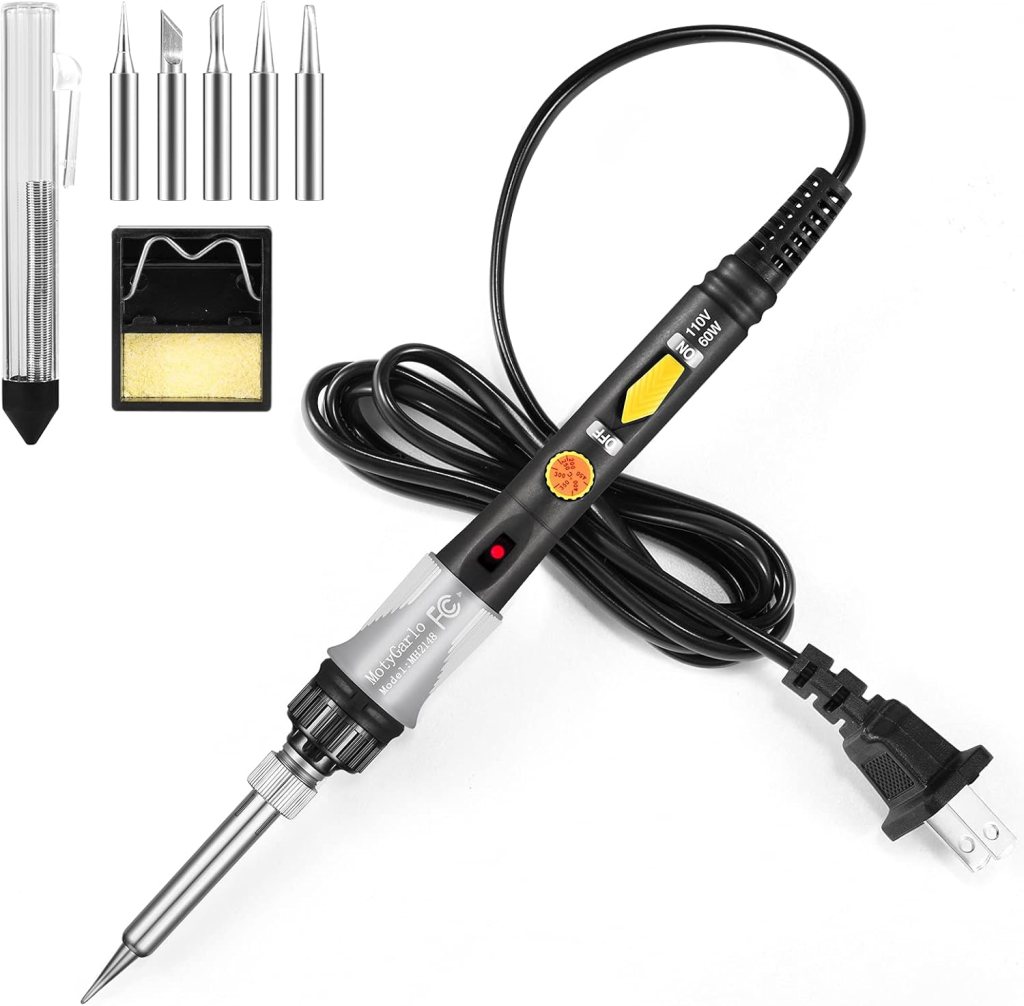
This all-in-one starter kit is perfect if you’re on a tight budget. For under $25, you get a basic iron, multiple tips, a stand, solder wire, and other essentials. Not as refined as the Hakko, but great for small jobs and learning the basics.
✅ Pros: Everything included, super affordable, beginner-proof
❌ Cons: Lower build quality, not ideal for daily use
Which Soldering Iron Should You Choose?
If you’re just testing the waters, the Tabiger Kit is a great entry point. If you want performance and portability, go for the Pinecil V2. Ready to invest in a long-term tool? The Hakko FX-888D is the gold standard. Somewhere in between? Weller WLC100 is a proven workhorse.
Want to power up your entire electronics setup? Don’t miss our hands-on Raspberry Pi project in How to Build a DIY Smart Mirror, check out How Mesh WiFi Works to future-proof your home network, or reuse your old gear with our Smart-Home Dashboard Guide.
Final Thoughts
A good soldering iron is your ticket into the exciting world of electronics and DIY repair. By picking one that fits your goals and budget, you’ll avoid frustration and enjoy your first projects a lot more. Whether you’re making a smart mirror, fixing a drone, or prototyping with sensors, the right soldering iron is a must-have in your maker toolkit.
💡 Pro tip: Bookmark this guide for future upgrades, and subscribe to Digi-DIY for more DIY electronics reviews, tutorials, and smart gear picks updated monthly.
